EU Regulation 2023/1115 requires due diligence with geolocation of production plots, with penalties of at least 4% of EU turnover. The obligation is European; the data is West African. Diamnova is where it gets verified.
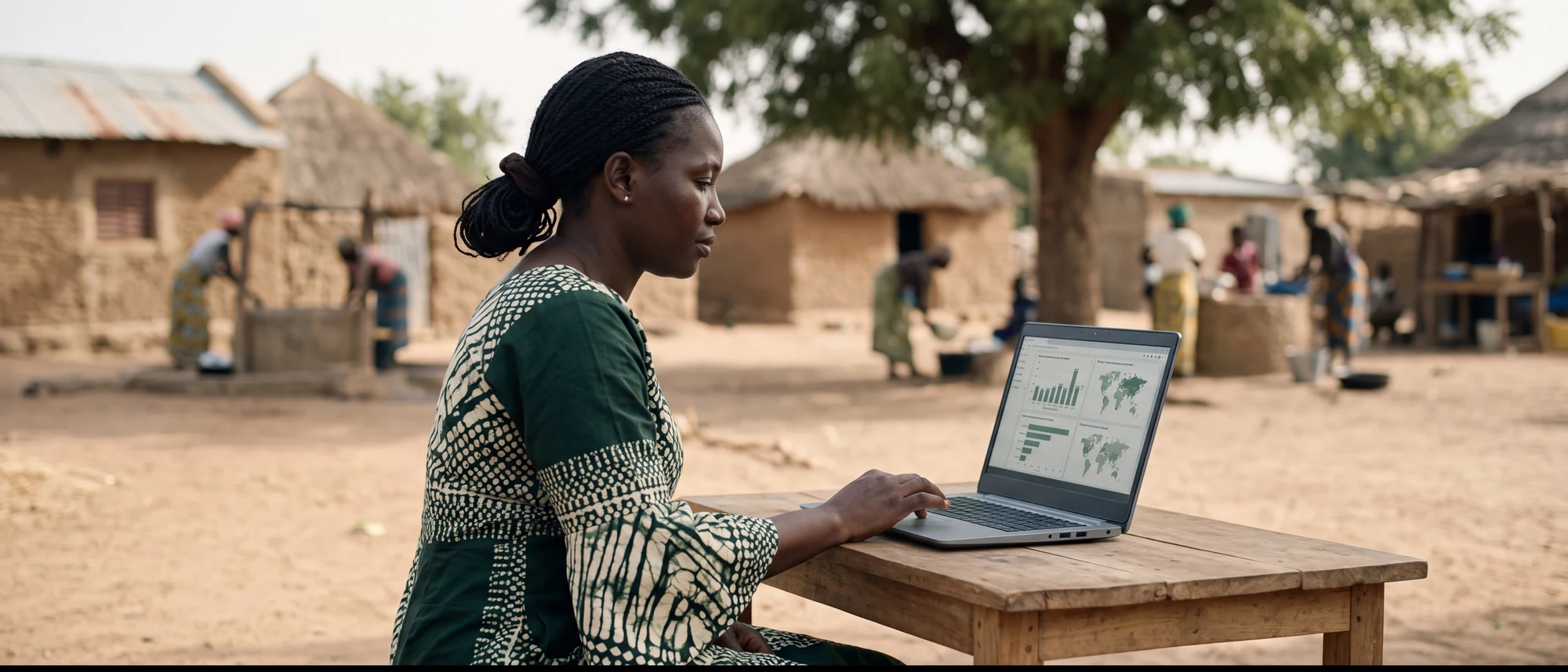
Cocoa, coffee, rubber, palm oil: plot-level traceability depends on reliable submissions from cooperatives with no information system. That's where compliance is won or lost.
It isn't only the European importer who must comply: every Ivorian, Ghanaian or Cameroonian exporter comes under contractual pressure from its buyer.
It also requires verifying compliance with the producing country's environmental, land tenure and human rights laws — field work, not desk research.
We don't deploy a collection tool: we make what is collected reliable and reconciled, and we make it defensible.
Where your chain loses the trail: which cooperatives report what, in what format, with what actual plot coverage, and which gaps expose you.
Reconciling datasets from multiple sources, consistency checks, duplicate and uncovered-plot detection, and documented methods.
On-site checks by our local expert network of what the records claim: does the cooperative exist, does it keep its records, do the plots match.
Keeping the system alive over time: every season brings new plots, new suppliers and new gaps to handle.
A quality score per dataset and per supplier, rather than a general belief that collection is going fine.

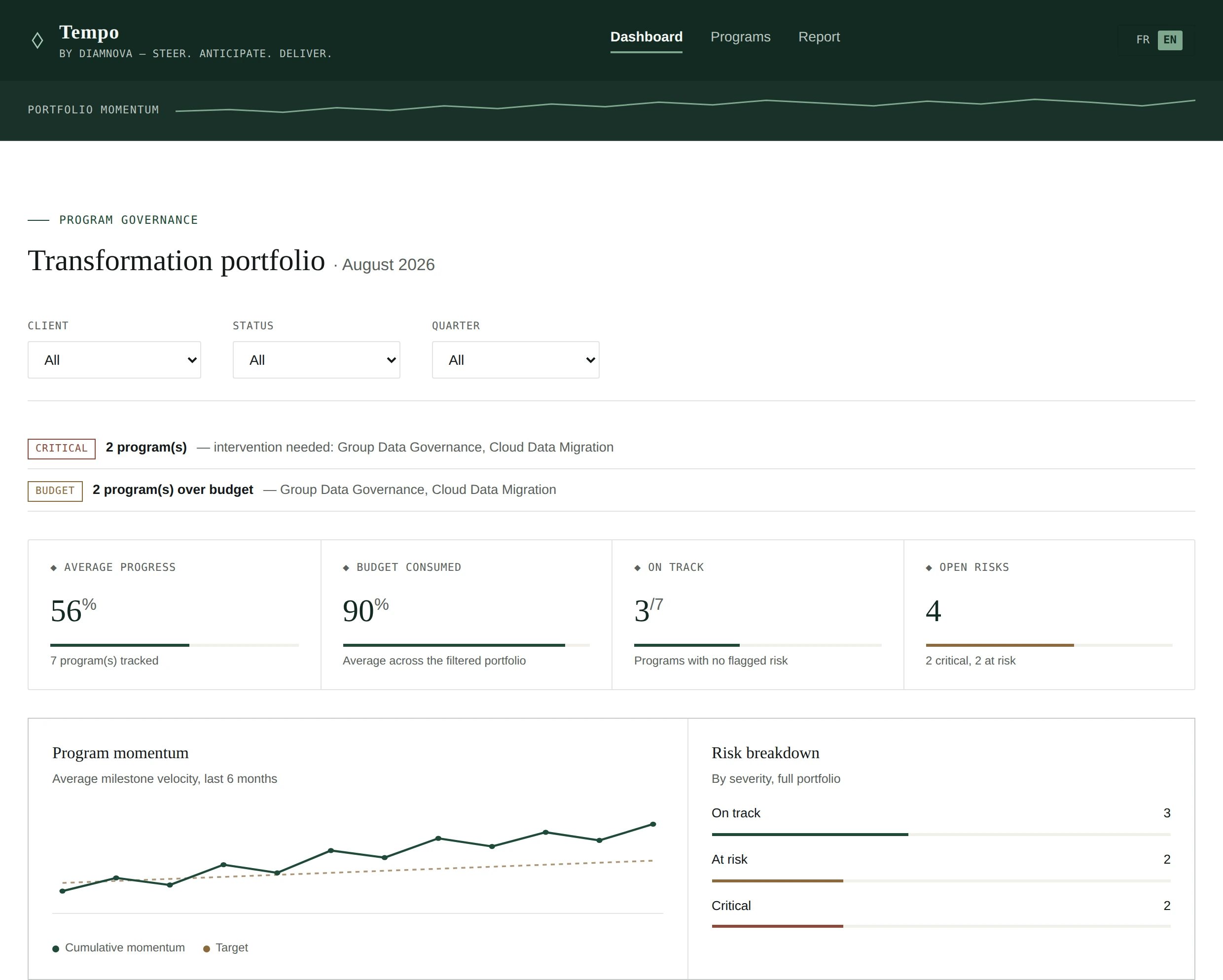
Demonstration data — fictional organizations. Processed locally, no data transmitted.
Duplicates, missing or implausible coordinates, mismatches between declared volumes and covered plots.
Each cooperative or exporter scored on submission reliability, to prioritize field checks.
Where each data point comes from, who entered it, when — traceability of the traceability.
Methods and residual gaps documented, ready to present to a supervisory authority.
Diamnova's reporting framework gave our regional teams a shared language for performance — finally a reliable view across every geography.
Understanding your regulatory context, priorities and constraints — no commitment.
Our initial read, with a demonstration of Tempo if relevant to your context.
A scope suited to the size and complexity of your organization — not a generic rate.
Complete documentation and upskilling for your teams to carry it forward.
A first conversation to understand your supply chain, your suppliers and the real state of your traceability.
Discuter de votre contexte